The Names by Florence Knapp
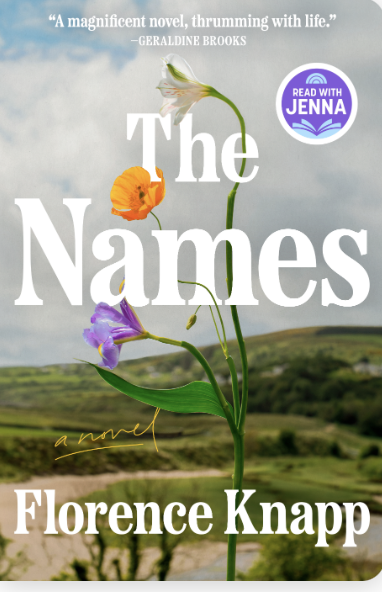
Can a name change the course of a life? This is the profound question Florence Knapp investigates in her novel The Names. Spanning thirty-five years, the book employs an inventive structure to reveal how a single decision can create subtle, subconscious feelings that seep into family relationships. With remarkable skill, Knapp illuminates the ways emotional signals shape the dynamics within a family.
At the heart of the story is Cora Atkins, a mother trapped in an abusive marriage. As she prepares to register her newborn son's birth, she contemplates three possible names for him: “Bear,” suggested by her nine-year-old daughter, Maia; “Julian,” meaning “father sky,” which is Cora's personal preference; or “Gordon,” the name of her husband and his father. The novel delves into each of these naming possibilities. Chapters alternate between scenarios in which the boy is named Bear, Julian, or Gordon. Every seven years, the narrative revisits the boy’s life, effectively presenting three interwoven novellas within a single novel.
While the narrative contains elements of hope, the overall tone is heavy and challenging. Cora’s husband, a respected physician, is an abusive narcissist. The father’s attitude toward his son shifts based on the chosen name ranging from derision or indifference or pride. The boy’s mother and sister also treat him differently in each scenario. Ultimately, the novel is less about the importance of a name and more about the consequences of domestic abuse on children. The true focus is on Cora’s response to her husband’s abuse and whether she chooses to leave or remain. This shapes the family’s complex dynamics and influences her children’s futures.
The Names is a haunting novel. Though at times painful, it is written with skill and rouses deep reflection. By the conclusion, the story offers glimpses of hope and the possibility of healing. Overall, it is a compelling and well-crafted novel. 4/5